Travel Insurance Claims: A Step-by-Step Guide to Filing and Getting Approved
Traveling offers countless opportunities for adventure, but it’s not without risks. Whether it’s a canceled flight, lost luggage, or a medical emergency, having travel insurance provides peace of mind. However, to benefit from your coverage, you must navigate the process of filing travel insurance claims correctly. A well-prepared claim can save you time, stress, and ensure you get the reimbursement or assistance you deserve.
For travelers needing authenticated documents for international claims, services like an apostille in Los Angeles can help validate supporting paperwork for foreign insurers or authorities.
What Are Travel Insurance Claims?
Travel insurance claims are formal requests made to your insurer for reimbursement or assistance after an unexpected event disrupts your travel plans. These claims can cover:
- Trip cancellations or delays
- Lost or stolen luggage
- Medical emergencies
- Emergency evacuations
- Travel interruptions due to unforeseen circumstances
Filing a claim requires documentation and adherence to your insurer’s guidelines, making preparation key to a successful outcome.
Step-by-Step Guide to Filing Travel Insurance Claims
1. Understand Your Policy
Before your trip, familiarize yourself with the details of your travel insurance policy. Take note of:
- Coverage limits for specific incidents (e.g., medical expenses, lost items)
- Exclusions that may prevent certain claims from being approved
- Deadlines for filing claims after an incident occurs
Knowing your policy details ensures you don’t waste time filing claims for incidents that aren’t covered.
2. Document the Incident
When an issue arises, gather as much documentation as possible to support your claim. Essential evidence includes:
- Police reports for theft or lost items
- Airline or transportation company reports for delays or lost luggage
- Medical records and bills for health-related incidents
- Receipts for expenses incurred due to the incident
Keep digital and physical copies of all documents to avoid losing critical information.
3. Notify Your Insurer Immediately
Contact your travel insurance provider as soon as possible after the incident. Many insurers have 24/7 hotlines or online portals for claim submissions. Early notification ensures:
- Your claim is filed within the required timeframe.
- You can receive guidance on next steps or additional documentation needed.
4. Complete the Claim Form
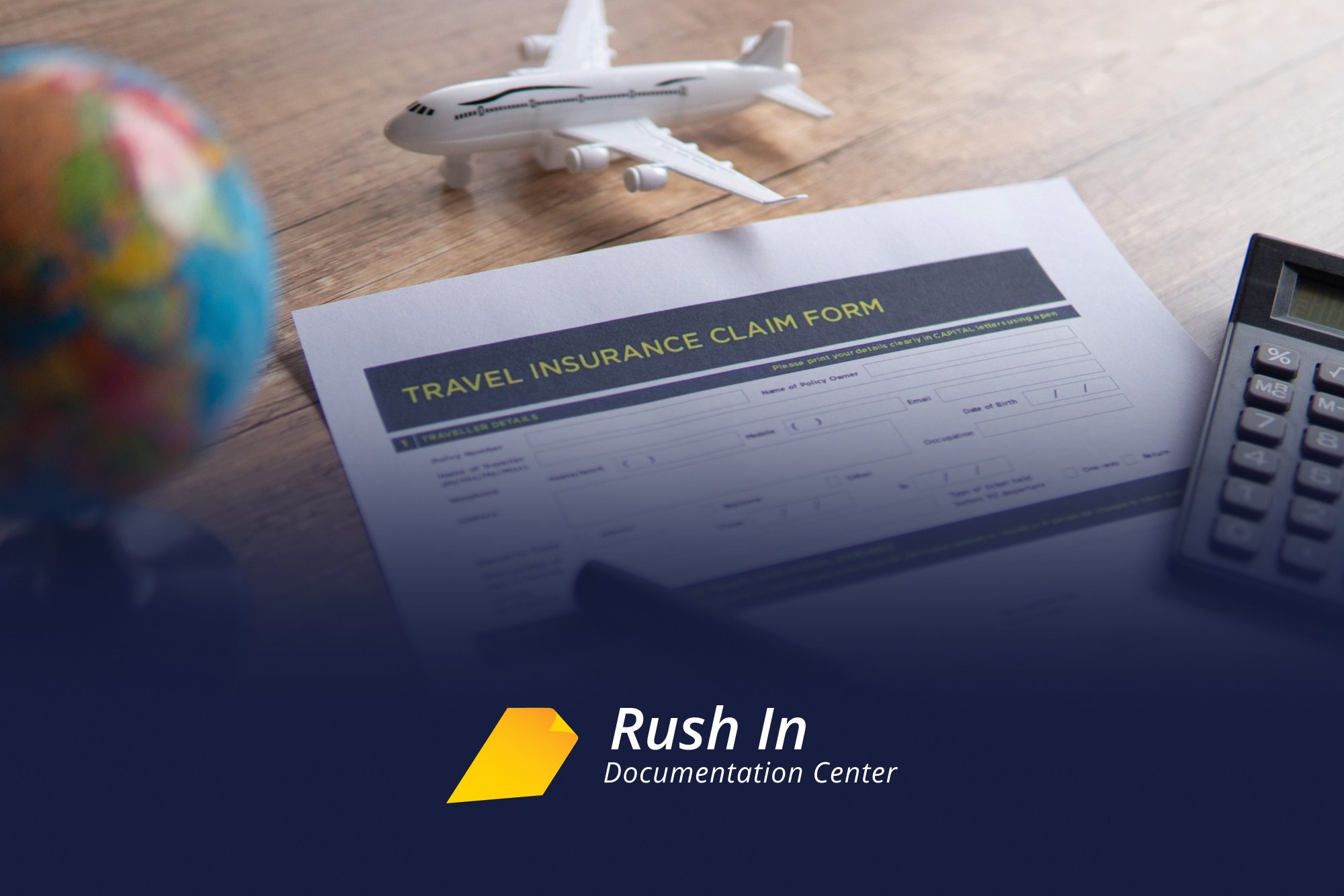
Fill out the claim form provided by your insurance company. Be thorough and honest, as incomplete or inaccurate information can lead to delays or denials. Include:
- Your policy number
- Details of the incident (date, time, location, and nature)
- A list of supporting documents
Most insurers allow forms to be submitted online, making the process quicker and more efficient.
5. Provide Supporting Documents
Attach all relevant documents to your claim form. Depending on the nature of the claim, these might include:
- Original receipts for expenses
- Photos of damaged items
- Proof of ownership for lost or stolen goods
- Itineraries and tickets showing trip disruptions
For claims involving international travel, you may need authenticated documents. If this is the case, services like an apostille in Los Angeles can ensure your paperwork is legally valid in foreign jurisdictions.
6. Submit Your Claim
Once the form and supporting documents are ready, submit your claim through your insurer’s preferred method, which could include:
- Online submission via their website or app
- Traditional mail (ensure you use a trackable method)
7. Follow Up on Your Claim
After submitting your claim, monitor its status through the insurer’s portal or customer service hotline. Be prepared to:
- Provide additional information if requested
- Clarify details regarding the incident or documentation
8. Appeal If Necessary
If your claim is denied, review the denial letter carefully to understand the reasons. If you believe the decision was incorrect, you can:
- Gather additional evidence
- Submit an appeal with a detailed explanation and supporting documents
Most insurers have a formal process for appeals, which is outlined in your policy.
Tips for a Successful Travel Insurance Claim
Read Your Policy Carefully
Understanding what is covered (and what isn’t) ensures you only file legitimate claims.
Keep Records
Maintain a folder (digital or physical) with all relevant documents related to your trip, including itineraries, receipts, and correspondence.
Act Promptly
File your claim as soon as possible to avoid missing deadlines.
Be Honest
Providing accurate information is crucial. Exaggerating or falsifying claims can lead to denial and even legal consequences.
Consult Your Insurer
When in doubt, contact your insurer for clarification on claim requirements or procedures.
Common Mistakes to Avoid
Failing to Notify Your Insurer:
- Delay in reporting an incident can result in claim denial.
Submitting Incomplete Information:
- Missing documents or incorrect details can slow the process or lead to rejection.
Ignoring Policy Exclusions:
- Filing claims for non-covered incidents wastes time and resources.
Not Keeping Receipts:
- Without proof of expenses, your claim is unlikely to be approved.
How Rush In Documentation Center Can Help
For international travel insurance claims, especially those involving legal or official documentation, Rush In Documentation Center offers reliable apostille and legalization services. Whether you need authenticated medical records, proof of identity, or other essential paperwork, our experts simplify the process and ensure compliance with foreign requirements.
Conclusion
Filing travel insurance claims doesn’t have to be daunting if you’re prepared. By understanding your policy, documenting incidents thoroughly, and following the steps outlined above, you can increase your chances of approval and receive the compensation or assistance you need.
If your claim involves international travel and requires document authentication, trust Rush In Documentation Center to provide professional services. Visit apostille in Los Angeles for expert assistance and ensure your documents meet all legal requirements.